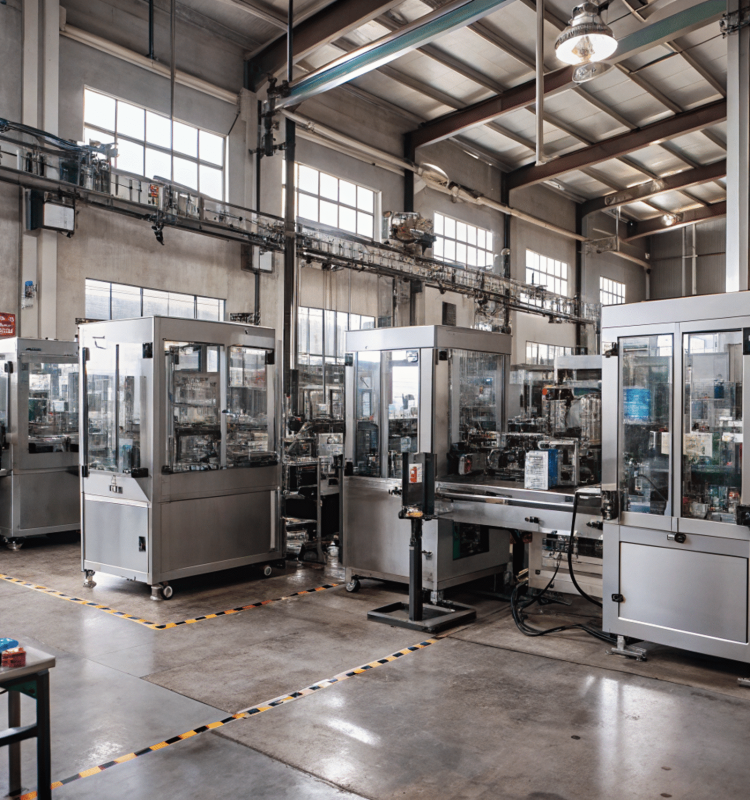
Struggling to switch your production between different beverages? This often leads to downtime and contamination risks. But a single, versatile filling line can handle everything from water to pulpy juice.
Yes, one filling line can manage multiple products by using flexible, integrated technologies. The key is a design that includes advanced fillers for different viscosities, automated cleaning systems for hygiene, multi-mode valves for still and carbonated drinks, and adaptable packaging machinery for various bottle shapes.
It might sound too good to be true, but this level of flexibility is very achievable with modern equipment. This isn't about simply combining different machines; it’s about a single, smart system designed for versatility from the ground up. I’ve seen it transform businesses over my 20 years in the industry. Let's explore how these systems tackle the biggest challenges of multi-product production.
Can One Filling Line[^1] Truly Handle Different Beverage Viscosities?
Filling thin water and thick juice on one line seems impossible. Using the wrong technology can cause inaccurate fills and costly waste. But modern fillers are designed to switch between viscosities with ease.
Yes, by using advanced methods like flow meter or servo-driven piston filling. These systems let you adjust fill parameters on a screen, ensuring high accuracy for both thin liquids like water and high-viscosity products with pulp.
In my experience with over 2,000 cases, I’ve learned that traditional gravity filling is too limited. It works well for thin liquids like water but struggles with thicker products like juice.That's why I always recommend more advanced technology. Flow meter or servo-driven piston fillers are game-changers.
They give you precise control. You can change the filling volume and speed with a single touch on an HMI screen. This allows the machine to adapt perfectly, whether it's filling pure water or a juice with fruit pulp. A truly versatile line uses a precision control system to guarantee accuracy, no matter the product's thickness.
Here is a simple breakdown of different filling methods:
| Filling Method | Best For | Key Benefit |
|---|---|---|
| Gravity Filling | Thin, free-flowing liquids (water) | Simple and cost-effective |
| Servo Piston Filling | Viscous liquids (shampoos, pastes) | Excellent control over volume |
| Flow Meter Filling | Products with stable flow (juice) | High accuracy and consistency |
Is Cross-Contamination Risk Managed During Flavor Switching?
Switching from dark juice to clear water creates serious contamination risks. A single mistake can ruin an entire batch and hurt your brand. Thankfully, modern lines have powerful built-in cleaning solutions.
Absolutely. The risk is eliminated with an integrated CIP (Clean-in-Place) system. This system uses automated programs and hygienic piping to flush the line completely. It ensures no flavor or residue is left before the next product run.
This is one of the biggest headaches for clients running multiple products. Imagine switching from a dark, strong-flavored berry juice back to crystal-clear mineral water. Any leftover color or flavor is unacceptable. We solve this with integrated CIP systems and smart hygienic design. The equipment's interior is made from polished stainless steel with no dead ends or crevices where product can hide.
Automated cleaning programs then flush every corner with cleaning solution. We also design special venting circuits to prevent any airborne cross-contamination between cycles. As I often tell my clients, a great CIP system doesn't just guarantee food safety. It's also a secret weapon for cutting down your changeover times, which directly increases your production output and profit.
Are the Filling Valves Designed to Handle Both Still and Carbonated Drinks?
Filling still and fizzy drinks usually means buying two separate lines. This costs a lot of money and takes up valuable factory space. But what if one smart valve could handle both?
Yes, this is possible with custom-designed composite filling valves. These valves have a multi-mode function. They use an isobaric (equal pressure) mode for carbonated drinks and a different mode, like atmospheric or negative pressure, for still beverages.
Handling both still and carbonated drinks on one machine is a big technological step, but it's completely achievable. Carbonated beverages need an isobaric, or equal pressure, environment. This keeps the carbon dioxide dissolved in the liquid and prevents the drink from going flat. Still beverages, like tea or juice, don't need this and can be filled using atmospheric or negative pressure.
Our composite filling valves are designed to switch between these modes. When you're filling soda, it runs in isobaric mode. When you switch to fruit tea, it changes to negative pressure mode. This "one valve, multiple uses" technology is a breakthrough. It means you don't need to invest in two separate production lines. You can make seamless transitions from still water to sparkling drinks, all on a single line.
Can Your Labeling and Packaging Systems Adapt to Diverse Bottle Shapes?
Running multiple products often means using different bottle shapes and sizes. A rigid packaging system can bring your whole flexible production line to a stop. Modern systems are built to adapt quickly.
Yes. Modern packaging systems use modular designs with quick-change parts like adjustable guides and grippers.This allows operators to switch between round, square, or custom-shaped bottles in just minutes, without needing complex, time-consuming adjustments.
If you’re producing a variety of drinks, you're likely using a variety of bottles. Your packaging equipment has to keep up. A line that can only handle standard round bottles will severely limit your flexibility. When I help design complete line solutions, we focus on adaptability. We use modular systems with quick-change guide rails and adjustable grippers that can hold bottles securely, no matter their shape.
This means an operator can swap parts to go from a round PET bottle to a square glass bottle in minutes. Advanced systems also use visual recognition technology and servo-driven labelers. This helps the machine automatically adjust to different bottle types, ensuring every label is placed perfectly. This ensures your products always leave the line looking great and ready for the market.
| Adaptability Feature | Function | Benefit |
|---|---|---|
| Adjustable Grippers | Securely holds bottles of various shapes and sizes. | Prevents spills and ensures stability. |
| Quick-Change Rails | Allows for fast adjustment of the conveyor path. | Reduces changeover downtime. |
| Servo-Driven Labeler | Precisely controls label placement using software. | Ensures perfect branding on any shape. |
Conclusion
A truly versatile filling line integrates flexible technologies. It uses advanced fillers, CIP systems, multi-mode valves, and adaptable packaging to maximize output and responsiveness for any modern beverage business.
[^1]:Here are more bottled beverage filling machines.