Your filling line is slow because of manual bottle handling. This bottleneck costs money and limits growth. An automatic bottle unscrambler is the simple solution to boost your efficiency.
Modern automatic bottle unscramblers boost efficiency by providing high-speed, continuous, and stable bottle feeding. They replace inconsistent manual labor, ensuring the entire filling line operates at maximum capacity. This simple change eliminates the main bottleneck, dramatically increasing overall production output and reliability.
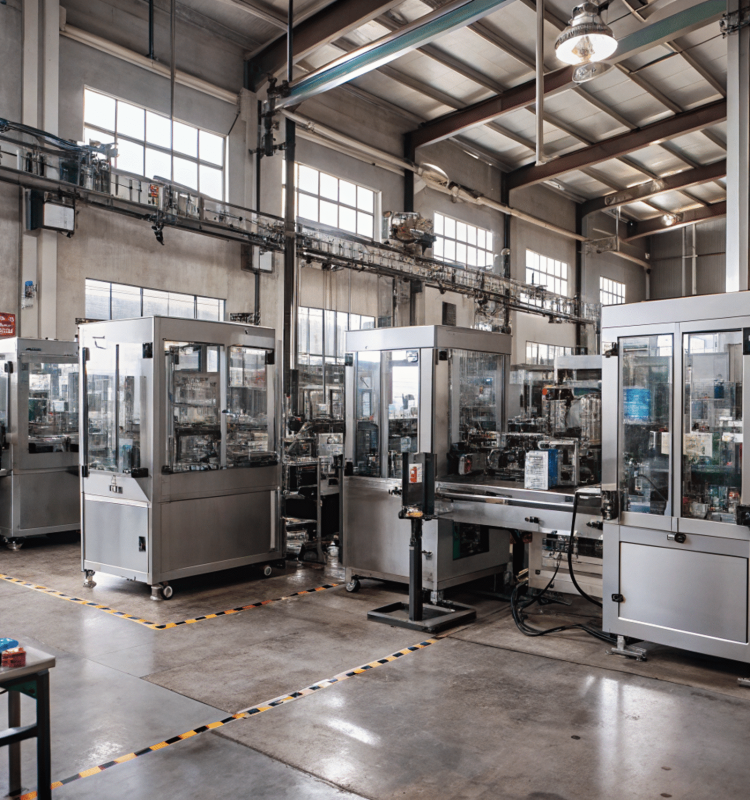
I remember a client a few years back, a big daily chemical company. They made a lot of shampoo and shower gel, but their production line was always slow. The filling process was a huge bottleneck. I went to their factory and saw workers trying to manually place bottles on the line. It was chaotic and inconsistent.
I told them, "Your problem can be solved with a modern automatic bottle unscrambling machine! Manual speed can never match a machine's efficiency." That's what we're talking about today. A single machine can truly change your entire line's efficiency. So, how does it really eliminate bottlenecks and boost your output? Let's dive into my experience and break it down.
Can Automatic Bottle Unscramblers[^1] Really Double Filling Line Output?
Skeptical that a machine can double your output? This doubt keeps your production line slow. The reality is, with the right automation, doubling your output is very possible.
Yes, they can. An automatic unscrambler provides continuous, high-speed bottle feeding that surpasses any manual process. By ensuring your filling machine is never waiting for bottles, it allows the entire line to consistently run at its maximum designed speed, often leading to doubled output.
Dive Deeper
Doubling output sounds like a big claim, but I've seen it happen. It's not just about one machine running faster; it's about how that machine transforms the entire production flow. Manual unscrambling is full of starts and stops. A worker gets tired, gets distracted, or can't keep up with a high-speed filler. This creates gaps on the conveyor, and every gap is lost production. An automatic machine, however, provides a steady, relentless stream of perfectly oriented bottles. It achieves full automation, which greatly reduces the need for manual labor.
Key Factors for Doubling Output
| Feature | Manual Unscrambling | Automatic Unscrambling |
|---|---|---|
| Speed | Inconsistent, operator-dependent | High-speed, consistent, and adjustable |
| Continuity | Prone to gaps and interruptions | Continuous, uninterrupted flow |
| Labor | Labor-intensive, high cost | Minimal supervision required |
| Error Rate | Higher (fatigue, mistakes) | Very low, with auto-rejection |
Beyond just speed, some advanced unscramblers use sensors or vision systems to identify and kick out defective bottles before they enter the line. This prevents a deformed bottle from jamming the filler or capper, which would cause a major stop. It’s about increasing effective output, not just raw speed. However, to see this doubling effect, the whole system must be balanced. If your new unscrambler feeds 200 bottles per minute but your filler can only handle 100, you've just moved the bottleneck. True efficiency comes from matching the capabilities of each machine in the line.
How Does a Modern Bottle Unscrambler Minimize Downtime on High-Speed Lines?
Downtime on your high-speed line is a huge problem. Every minute stopped costs you money and delays orders. Modern unscramblers have built-in features to keep your line running.
They minimize downtime through superior reliability from better materials and design. Smart monitoring systems predict issues before they cause a stop. Plus, quick-change parts allow for rapid switches between bottle types, drastically reducing time spent on changeovers and maintenance.
Dive Deeper
On a high-speed line, even a few minutes of downtime can mean hundreds of units of lost production. Modern unscramblers are designed with this reality in mind. They are built to be robust and reliable.
Built for Reliability
The foundation of minimizing downtime is a well-built machine. Manufacturers use high-quality materials and focus on a smart structure with a simple working principle, which makes the machine steady and reliable. The goal is to create a machine that can run for hours with minimal intervention. In my experience, the machines with the simplest, most elegant mechanical designs are often the most trustworthy. They have fewer moving parts to break and are easier for maintenance teams to understand and service. This reliability is crucial in demanding industries like pharmaceuticals, cosmetics, and food production.
Smart Monitoring and Alerts
Modern machines are also intelligent. They are equipped with a range of sensors that act as the machine's eyes and ears. These sensors can detect if the bottle hopper is running low, if there's a jam in the sorting mechanism, or if bottles are not exiting correctly. The control system can then provide an alert or even automatically take corrective action. For example, some systems can sense a surplus of bottles on the line and pause the unscrambler, then automatically turn it back on when more bottles are needed. This prevents jams downstream and ensures smooth operation without constant human oversight.
The Importance of Quick Changeovers
Finally, a huge source of downtime is product changeover. If you need three hours to switch from one bottle size to another, that's a significant loss. Modern unscramblers feature quick-change, tool-less designs. This means an operator can swap out sorting wheels or adjust guide rails in minutes, not hours. I have seen changeovers that used to take half a shift be completed in under 15 minutes. This agility is essential for companies with a diverse product portfolio, allowing them to react quickly to market demands without sacrificing efficiency.
Are Automatic Bottle Unscramblers Compatible with Diverse Bottle Shapes and Materials?
Your products use many different bottle shapes and materials. You worry a machine won't be flexible enough. The good news is, modern unscramblers are built for this exact challenge.
Yes, many are highly compatible. Modern unscramblers use adjustable guides and quick-change parts to handle various bottle shapes like round, square, and flat. They can also be set up for different materials, from heavy glass to lightweight PET, ensuring broad production flexibility.
Dive Deeper
Flexibility is no longer a luxury; it's a necessity. Companies are constantly launching new products with unique packaging to stand out on the shelf. The good news is that unscrambler technology has evolved to meet this need. While no single machine can handle every bottle imaginable out of the box, modern designs offer an incredible range of compatibility through smart engineering.
Adjusting for Shape and Size
The core of flexibility lies in adjustable and interchangeable components.
- Round Bottles: These are generally the easiest to handle, often sorted using a simple rotating disc and centrifugal force.
- Square/Flat Bottles: These require more specific handling. Machines often use special guides or air jets to orient them correctly on the conveyor.
- Irregular Shapes: For unique or asymmetrical bottles, custom-designed change parts are often necessary. These parts, like sorting wheels and guide rails, can be swapped out quickly to accommodate the specific geometry of the bottle.
I worked with a cosmetics company that had over 20 different bottle SKUs. They invested in an unscrambler with a full set of labeled, quick-change parts. Their team could switch from a small, round lotion bottle to a large, flat-sided shampoo bottle in about 20 minutes.
Handling Different Materials
| Material | Handling Challenge | Solution |
|---|---|---|
| PET | Lightweight, easy to tip over | Gentle air jets, precise guide rails |
| HDPE | Sturdier, but can be flexible | Standard mechanical sorting |
| Glass | Heavy, fragile, noisy | Robust construction, coated contact parts |
The material of the bottle matters just as much as its shape. Lightweight PET bottles are prone to tipping and require a delicate touch, often using precisely controlled air jets for orientation. Heavier glass bottles, on the other hand, need a more robust system that can handle the weight and impact without causing breakage. High-end machines can be fine-tuned to provide the right amount of force and support for each material, ensuring both speed and safety.
Conclusion
Automatic bottle unscramblers are key to boosting output. They increase speed, cut downtime, and handle diverse bottles, truly eliminating your most critical production bottleneck for good.
[^1]:Discover more bottle unscrambling machines.