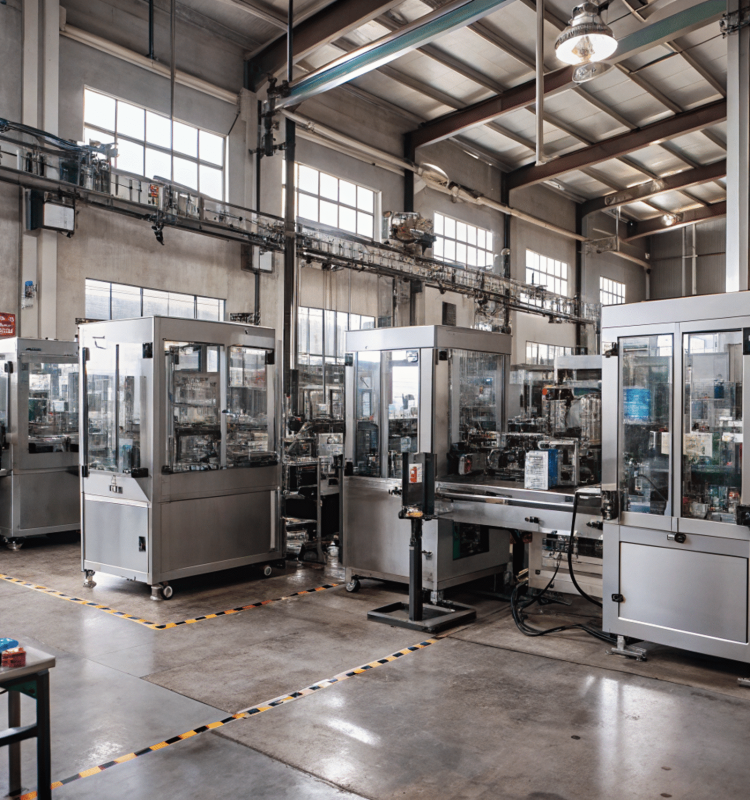
Struggling with stubborn residue and slow changeovers? This inefficiency costs you time and money. A tailored solution, not just another machine, solves these complex cleaning puzzles for good.
A customized bottle cleaning solution is the key. It uses a modular design, multi-stage filtration, and precise controls to adapt to any bottle, save water, prevent breakage, and simplify maintenance. This approach directly solves your unique production challenges where standard equipment fails.
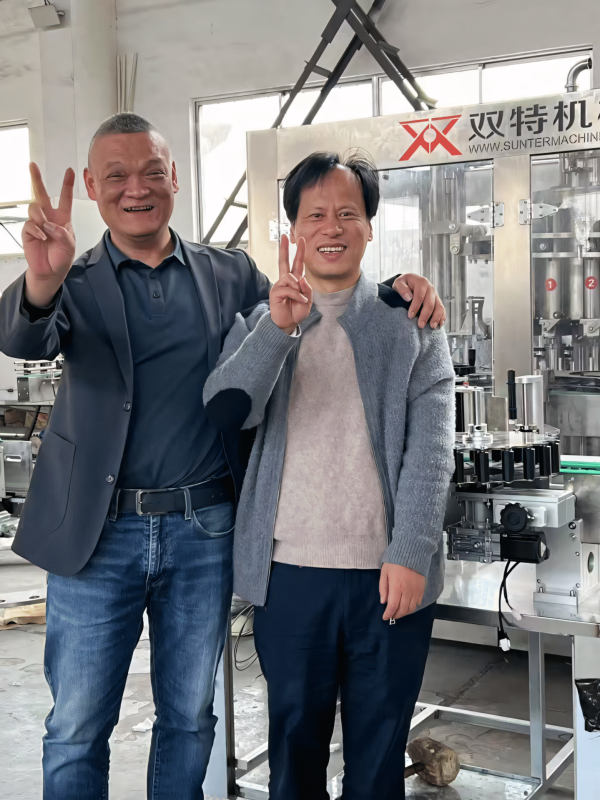
I remember a client, Mr. Zhang, who came to me over a decade ago. He had just invested in a high-end juice production line and his request was simple: "Give me the fastest bottle washer you have!" He had tried standard equipment, but it either failed to clean thoroughly or the frequent model changes led to costly machine downtime. That afternoon, we didn't just talk about machine models. We dissected all his pain points, from the stubborn sugar residue in his bottles to the time wasted on changeovers and the strict water-saving standards he had to meet.
In the end, we designed a completely customized solution for him that included multi-level cycle filtering, flexible bottle grippers, and a rapid changeover system. That experience taught me a valuable lesson I carry with me to this day: machines are merely tools. A customized solution is the key to solving your most difficult cleaning problems. Let's explore how.
Can your bottle washing equipment adapt flexibly to rapid changes in bottle shapes and sizes?
Do frequent bottle changes cause costly downtime on your production line? This lack of flexibility stalls your growth and limits your product offerings. Our modular design with a quick changeover system adapts in minutes.
Yes, it can. Our equipment uses a highly modular design and a quick changeover system. Customized bottle grippers and adjustable nozzle manifolds, controlled via an HMI, allow for rapid adjustments between different bottle types and sizes with minimal downtime, ensuring maximum production line agility.
When I design a system, I focus on true operational agility. We don't rely on a single, fixed mold that locks you into one bottle type. Instead, we use a universal base combined with replaceable adapter components. This means your team can switch from cleaning narrow-necked vials to large-capacity containers in just a few minutes, not hours. This is all managed through a simple Human-Machine Interface (HMI). Your operators can call up preset programs for each bottle type, and the machine adjusts automatically.
This flexibility is crucial for businesses that follow a strategy of multiple product varieties, small batches, or frequent design updates. It transforms your production line from a rigid, slow-moving asset into an agile tool that can respond to market demands instantly.
| Feature | Standard Equipment | Our Customized Solution |
|---|---|---|
| Changeover Time | 1-2 hours | 5-15 minutes |
| Bottle Handling | Fixed grippers, limited sizes | Adjustable grippers, universal base |
| Operator Skill | Requires skilled mechanic | Simple HMI presets |
| Production Strategy | Best for single-product runs | Ideal for multi-product, agile runs |
How does your customized bottle washing machine[^1] balance high efficiency with water conservation?
Are high water bills and environmental standards cutting into your profits? Traditional bottle washers are notoriously wasteful, consuming huge amounts of water and energy. Our system combines high efficiency with advanced water-saving technology.
We achieve this balance by designing multi-stage cleaning and rinsing circuits with advanced water filtration. This system reuses final rinse water for pre-cleaning and uses high-precision, low-flow nozzles, cutting water and energy consumption by up to 50% compared to traditional equipment.
Balancing powerful cleaning with resource conservation is at the core of a smart, customized solution. We don't just blast bottles with water. We design an intelligent, multi-stage cleaning process. For example, a typical circuit might include a pre-cleaning stage, a main cleaning stage, and multiple rinsing stages. The real innovation lies in our water filtration and circulation system. Water from the final, cleanest rinsing stage is filtered and reused in the initial pre-cleaning stage, where the heaviest soils are removed.
This simple logic drastically reduces overall water consumption. Furthermore, the equipment is fitted with high-precision, low-flow nozzles controlled by a PLC. This ensures that water and cleaning agents are only sprayed exactly when and where they are needed, eliminating waste. Some systems even have a water tank level selector that optimizes water usage based on the bottle type, helping you achieve significant savings.
On high-output production lines, how do you prevent and resolve the challenge of broken bottles?
Are you worried about broken bottles causing a production-stopping chain reaction? On a high-speed line, a single jam can lead to massive product loss and dangerous cleanup. Our precise mechanical design and smart sensors prevent bottle damage before it happens.
We minimize bottle damage through precise mechanical design and advanced sensor technology. All contact parts use cushioning materials for flexible grasping. A PLC control system with sensors detects jams in real-time, instantly stopping or adjusting speed to prevent chain reactions and ensure production continuity.
In a high-volume production environment, preventing bottle breakage is not an option—it's a necessity. Our approach is proactive, not reactive. First, we focus on the mechanical design. All components that touch the bottle, like the grippers and guides, are made from special wear-resistant and cushioning materials. This ensures a firm but gentle grasp, even at high speeds. Second, we integrate an advanced PLC control system with a network of sensors, such as torque monitors or load cells.
These sensors act as the machine's eyes and ears. They constantly monitor the flow of bottles, detecting if one gets stuck or abnormally squeezed on the conveyor. If a potential jam is detected, the system immediately and precisely stops the line or adjusts its speed. An automatic reset mechanism can then remove the faulty bottle without manual intervention, preventing a small issue from cascading into a major shutdown.
| Approach | Reactive (Standard Machines) | Proactive (Our Solution) |
|---|---|---|
| Detection | Operator visually spots a jam. | Sensors detect abnormal pressure/torque. |
| Response | Emergency stop after breakage occurs. | Automatic stop/slowdown before breakage. |
| Resolution | Manual cleanup, major downtime. | Automatic reset, minimal interruption. |
| Outcome | High product loss, safety risks. | Production continuity, enhanced safety. |
Beyond cleaning, how does your solution ensure hygiene and safety standards while simplifying troubleshooting?
Are complex maintenance procedures and hygiene verification slowing you down? Downtime for cleaning, sanitizing, and troubleshooting is expensive and frustrating for your team. We integrate hygiene steps and user-friendly diagnostics to simplify every aspect of operation.
We ensure hygiene with integrated post-treatment steps like steam sterilization or chemical disinfection. For troubleshooting, a user-friendly HMI provides clear graphical interfaces and error codes, while the modular design allows for easy access and quick replacement of key components.
A complete solution looks beyond just cleaning. Ensuring hygiene and safety is a cornerstone of our design. We can integrate post-treatment steps directly into the machine, such as high-temperature disinfection, steam sterilization, or a final chemical disinfection rinse, to meet even the strictest industry standards. More importantly, we focus on making the machine easy to live with. Our solutions feature a user-friendly HMI with a clear, graphical operating interface.
When a problem occurs, it doesn't just show a vague error. It provides detailed error codes and step-by-step guidelines, empowering operators to perform first-level maintenance immediately. The machine itself is built with a modular and open design. This means key components like nozzles, filters, and seals are easily accessible and can be replaced quickly without special tools. This thoughtful design dramatically reduces maintenance complexity and machine downtime.
Conclusion
A customized bottle cleaning solution moves beyond standard machines. It offers flexibility, water efficiency, production safety, and simplified maintenance, solving your most specific operational challenges effectively.
[^1]:Explore more details about bottle washing machines.